



Circumcision for Diabetics in Ahmedabad

Circumcision for Diabetics in Ahmedabad
Safe & Specialised Surgical Care by Dr. Prarthan Joshi
Urologist & Genitourinary Surgeon, Zydus Hospitals, Ahmedabad.

Diabetes is one of the most prevalent chronic conditions in India, and its impact on urological and genital health is often underestimated. Men living with diabetes — whether Type 1 or Type 2 — are significantly more prone to recurring foreskin infections, phimosis, balanitis, and poor wound healing that together make circumcision both more necessary and more medically complex than in non-diabetic patients.

If you or a family member is looking for circumcision for diabetics in Ahmedabad, it is essential to choose a surgeon with specific expertise in managing high-risk surgical cases. At Zydus Hospitals, Ahmedabad, Dr. Prarthan Joshi — a distinguished urologist and genitourinary surgeon — offers carefully planned, safe circumcision surgery for diabetic patients in Ahmedabad with thorough pre-operative blood sugar optimisation, precise surgical technique, and structured post-operative wound care. His patient-first approach ensures that every diabetic patient achieves safe healing, minimum complications, and long-term relief from recurrent foreskin-related problems.

Why Do Diabetic Men Need Circumcision?

Diabetes creates a uniquely challenging environment for genital health. Elevated blood sugar levels promote the growth of bacteria and fungi on the skin, and reduced immune response makes it harder for the body to fight off infections naturally. In uncircumcised diabetic men, the warm, moist area beneath the foreskin becomes a breeding ground for recurring infections — leading to a cycle of inflammation, scarring, and progressive tightening of the foreskin known as diabetic phimosis.

Over time, repeated infections and scarring make the foreskin increasingly difficult to retract, causing pain during urination and sexual activity. In many such cases, circumcision for diabetes in Ahmedabad is not simply an elective procedure — it becomes a medically necessary intervention to break the cycle of infection, restore hygiene, and protect the patient’s long-term urological health.

As a leading circumcision specialist for diabetic patients in Ahmedabad, Dr. Prarthan Joshi understands the additional surgical considerations that diabetes demands — from pre-operative glucose control to infection-resistant wound closure techniques — ensuring the safest possible outcome for every diabetic patient under his care.

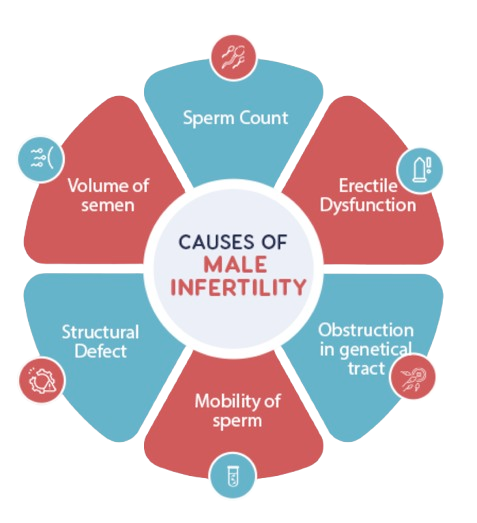
Male Infertility

How Diabetes Affects Foreskin Health: Causes & Contributing Factors

Understanding why diabetic men are more vulnerable to foreskin-related problems is key to appreciating the importance of timely circumcision for diabetics in Ahmedabad. The following factors contribute directly to the higher incidence of foreskin complications in men with diabetes:

causes of male infertility problem
  • High Blood Sugar: Elevated glucose in urine and skin secretions provides a nutrient-rich environment for bacteria and fungal growth.
  • Reduced Immunity: Diabetes impairs white blood cell function, making the body less effective at fighting localised infections.
  • Poor Wound Healing: Diabetic microvascular damage reduces blood supply to skin tissues, slowing healing after any injury or surgery.
  • Peripheral Neuropathy: Reduced sensation means pain or early infection signs may go unnoticed until the condition worsens.
  • Recurrent Balanitis: Chronic inflammation of the glans and foreskin due to fungal or bacterial infections that keep returning despite medication.
  • Diabetic Phimosis: Progressive scarring and tightening of the foreskin due to chronic inflammation and fibrosis.
  • Poor Hygiene Cycle: Painful or tight foreskin makes adequate cleaning difficult, further worsening infection risk.

Each of these factors compounds the other — creating a difficult cycle that medication alone often cannot resolve. Circumcision for diabetics in Ahmedabad under expert surgical care effectively eliminates the source of recurring infection, improves hygiene, and prevents long-term complications such as urethral stricture or invasive skin infection. Dr. Prarthan Joshi carefully assesses each patient’s diabetic control and overall health before planning surgery to ensure maximum safety.

Signs & Symptoms That Indicate a Diabetic Man Needs Circumcision

Diabetic men often delay seeking treatment due to fear of poor wound healing or surgical complications. However, the following symptoms are clear indicators that professional evaluation and possibly circumcision for diabetes in Ahmedabad is necessary:

01

Recurrent redness, swelling, or discharge from the foreskin area (balanitis).

02

Tight foreskin that cannot be retracted fully or partially (phimosis).

03

Pain or burning sensation during urination or sexual activity.

04

White or yellowish patches on the foreskin indicating fungal infection (thrush).

05

Recurring infections that return despite antifungal or antibiotic treatment.

If you are a diabetic man experiencing any of these symptoms repeatedly, do not wait for the condition to worsen. Consulting a circumcision specialist for diabetic patients in Ahmedabad like Dr. Prarthan Joshi at Zydus Hospitals is the safest and most effective step forward.
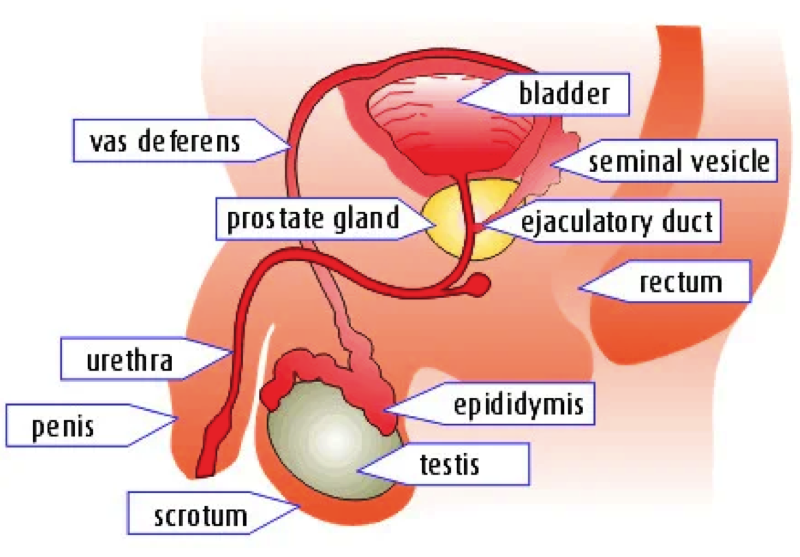
Is Circumcision Safe for Diabetic Patients? What Makes It Different

This is the most important question every diabetic patient and their family asks — and rightly so. The answer is yes, circumcision for diabetic patients in Ahmedabad is safe — but only when performed by an experienced urological surgeon who follows a structured pre-operative, intra-operative, and post-operative protocol specifically designed for diabetic patients.

The key difference in managing circumcision for diabetes in Ahmedabad lies in preparation. Dr. Prarthan Joshi works closely with the patient’s diabetologist or physician to ensure blood sugar levels are optimally controlled before surgery — ideally with fasting glucose below 180 mg/dL and HbA1c within acceptable surgical limits. This pre-operative sugar control is the single most important factor in ensuring safe wound healing after circumcision in diabetic men.

Intra-operatively, Dr. Joshi uses meticulous, tension-free wound closure techniques with absorbable sutures to minimise tissue trauma and reduce infection risk. Post-operatively, a tailored wound care plan, antibiotic cover, and close follow-up ensure that healing progresses safely and complications are detected and managed early. With this structured approach, safe circumcision surgery for diabetic patients in Ahmedabad at Zydus Hospitals consistently delivers excellent outcomes even in patients with long-standing or poorly controlled diabetes.

andrology male infertility

Pre-Operative Evaluation for Circumcision in Diabetic Patients

Before performing circumcision for diabetics in Ahmedabad, Dr. Prarthan Joshi conducts a comprehensive pre-surgical assessment to ensure the patient is optimally prepared and surgical risks are minimised. This evaluation typically includes:

01

Blood Sugar & HbA1c Assessment

Fasting blood glucose, post-prandial glucose, and HbA1c are measured to determine the current level of diabetic control. Surgery is planned only when levels are within safe surgical thresholds to ensure proper wound healing.
02

Complete Blood Count & Infection Markers

Blood tests to assess haemoglobin levels, platelet function, and markers of active infection — ensuring the patient is not in an acute infective phase before surgery.
03

Urine Culture & Sensitivity Test

To detect and treat any urinary tract or foreskin infection prior to surgery, reducing the risk of post-operative wound infection.
04

Kidney Function & Renal Tests

Diabetic patients are at higher risk of kidney involvement. Renal function tests ensure safe anaesthesia planning and appropriate antibiotic dosing.
05

Cardiovascular Assessment

Diabetes increases cardiac risk. An ECG and relevant cardiac evaluation ensures the patient is fit for anaesthesia and surgery before proceeding.
06

Local Examination of Foreskin

Detailed clinical assessment of foreskin condition, degree of phimosis, presence of active infection, skin changes, or scarring to plan the most appropriate surgical technique.
07

Diabetologist Coordination

Dr. Joshi coordinates with the patient’s diabetologist or physician to adjust medications, insulin, or oral hypoglycaemic agents around the time of surgery for safe peri-operative glucose management.

This structured pre-operative pathway is what distinguishes circumcision for diabetics in Ahmedabad at Zydus Hospitals from routine circumcision — ensuring that every diabetic patient is thoroughly prepared, risks are minimised, and outcomes are optimised before the first incision is made.

Circumcision Techniques Used for Diabetic Patients in Ahmedabad

Dr. Prarthan Joshi carefully selects the most appropriate circumcision technique for each diabetic patient based on their foreskin condition, degree of scarring, blood sugar control, and overall health. The goal is always a clean, precise procedure with minimal tissue trauma and the fastest possible healing for safe circumcision surgery for diabetic patients in Ahmedabad.

1. Conventional Surgical Circumcision

The most commonly used and reliable technique for diabetic patients — performed under local or spinal anaesthesia. The foreskin is carefully excised using sterile instruments, with meticulous haemostasis and tension-free closure using absorbable sutures. This technique allows the surgeon maximum control over the extent of skin removal and wound closure quality — critical factors for safe healing in diabetic tissue.

2. Laser Circumcision

In suitable diabetic patients with well-controlled blood sugar, laser circumcision offers the advantage of minimal bleeding, high precision, and reduced post-operative swelling. The laser seals blood vessels simultaneously during cutting, making it particularly advantageous in patients where bleeding control is important.

3. Stapler Circumcision

A modern, minimally invasive technique using a disposable circumcision stapler device. Offers a bloodless, fast procedure with consistent results and minimal post-operative discomfort. Selected carefully for diabetic patients based on foreskin anatomy and extent of scarring — suitable in cases without significant fibrosis.

4. Dorsal Slit Procedure (Selected Cases)

In emergency situations where paraphimosis or severe infection is present and circumcision carries immediate high risk, a dorsal slit may be performed first to relieve constriction — with formal circumcision planned once blood sugar is controlled and infection is resolved. This staged approach prioritises patient safety above all in high-risk diabetic presentations.

Post-Operative Care After Circumcision in Diabetic Patients

Recovery after circumcision for diabetics in Ahmedabad requires more careful and structured wound management than in non-diabetic patients. Dr. Prarthan Joshi provides a personalised post-operative care plan for every diabetic patient, covering all aspects of wound healing, infection prevention, and glucose monitoring during recovery:

01

Blood Sugar Monitoring

Regular glucose monitoring during the healing period is essential. Elevated sugar levels impair wound healing and increase infection risk — close monitoring allows early corrective action.

02

Wound Hygiene & Dressing

Patients receive specific instructions on gentle wound cleaning, prescribed antiseptic application, and dressing changes to keep the surgical site clean and infection-free throughout recovery.

03

Antibiotic & Antifungal Cover

A targeted course of antibiotics and antifungal medication is prescribed to prevent post-operative infection — particularly important in diabetic patients whose immune response is compromised.

04

Activity & Hygiene Guidance

Loose, breathable clothing, restricted physical activity for 10–14 days, and detailed hygiene guidance ensure a comfortable and complication-free recovery period for diabetic patients.

05

Scheduled Follow-Up Visits

More frequent post-operative follow-up appointments are scheduled for diabetic patients to monitor wound healing progress, detect early signs of infection, and adjust treatment as needed until complete healing is confirmed.

With Dr. Prarthan Joshi’s structured post-operative protocol, diabetic patients consistently achieve safe, complete healing after circumcision surgery in Ahmedabad — with minimal complications and lasting relief from recurrent foreskin infections.

Dr. Prarthan Joshi — Urologist & Genitourinary Surgeon

Expert Circumcision Specialist for Diabetic Patients in Ahmedabad

Dr. Prarthan Joshi is a highly experienced urologist and genitourinary surgeon at Zydus Hospitals, Ahmedabad, with extensive expertise in performing circumcision for diabetic patients in Ahmedabad — including complex cases involving severe phimosis, recurrent balanitis, and poorly controlled diabetes. His deep understanding of the interplay between diabetes and urological health enables him to plan and execute circumcision procedures that are both oncologically sound and metabolically safe.

What sets Dr. Joshi apart as a circumcision specialist for diabetic patients in Ahmedabad is his holistic, multidisciplinary approach. He does not treat circumcision in a diabetic patient as a routine procedure — he treats it as a high-attention surgical case that demands careful pre-operative optimisation, surgical precision, and close post-operative supervision. At Zydus Hospitals, patients benefit from integrated diabetic care support, advanced surgical facilities, and a dedicated urology team that ensures every stage of the patient journey is managed with the highest standard of clinical care. Whether you are a newly diagnosed diabetic or have been managing diabetes for years, Dr. Joshi’s expertise ensures that circumcision for diabetes in Ahmedabad is performed safely, effectively, and with minimum disruption to your daily life.

Circumcision for Diabetic Patients

Frequently Asked Questions

Yes. Circumcision for diabetics in Ahmedabad is safe when performed by an experienced urologist like Dr. Prarthan Joshi with proper pre-operative blood sugar optimisation, meticulous surgical technique, and structured post-operative wound care. The key is thorough preparation — ensuring blood glucose is controlled before surgery and that a tailored recovery plan is followed closely after the procedure.

Diabetic men are more prone to foreskin infections because high blood sugar creates an ideal environment for bacterial and fungal growth beneath the foreskin. Reduced immunity, poor circulation, and nerve damage further reduce the body’s ability to fight these infections naturally. When infections keep returning despite medication, circumcision for diabetes in Ahmedabad is the most effective long-term solution.

Dr. Prarthan Joshi generally recommends proceeding with circumcision surgery for diabetic patients in Ahmedabad when fasting blood glucose is below 180 mg/dL and HbA1c is within acceptable surgical limits — ideally below 8–8.5%. Each case is assessed individually, and surgery may be deferred until glucose is better controlled if levels are significantly elevated, to ensure safe wound healing.

Healing may be slightly slower in diabetic patients compared to non-diabetic individuals, particularly if blood sugar is not well controlled. However, with Dr. Joshi’s structured post-operative protocol — including antibiotic cover, antifungal medication, wound care guidance, and close follow-up — diabetic patients at Zydus Hospitals consistently achieve complete and complication-free healing after circumcision for diabetics in Ahmedabad.

Yes. Both Type 1 and Type 2 diabetic patients can undergo circumcision for diabetes in Ahmedabad at any age, provided they are medically optimised before surgery. Dr. Prarthan Joshi evaluates each patient’s overall health, renal function, cardiac status, and glucose control before recommending the most appropriate surgical technique and timing — ensuring safe outcomes across all age groups.

Circumcision for diabetic patients in Ahmedabad differs from routine circumcision in several important ways — it requires mandatory pre-operative blood sugar optimisation, coordination with the patient’s diabetologist, careful anaesthesia planning considering renal and cardiac health, more meticulous wound closure technique, antibiotic and antifungal prophylaxis, and more frequent post-operative follow-up visits. Dr. Joshi’s experience in high-risk urological surgery ensures all these additional steps are managed seamlessly.

Book your Visit Now

    Book your appointment
    Send via WhatsApp