



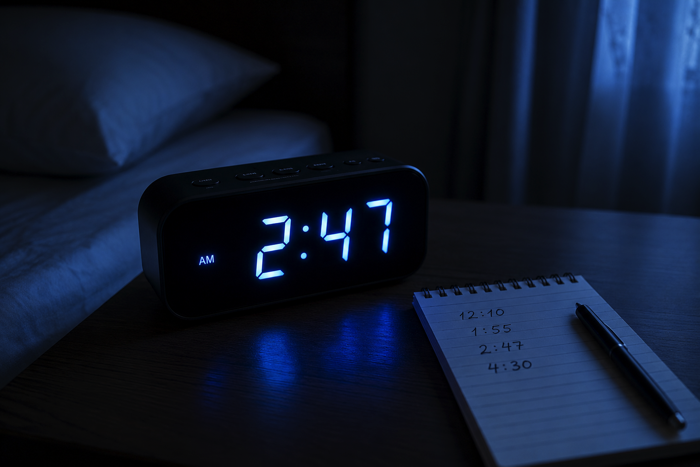
Of all the urological symptoms I treat, nocturia — waking from sleep to urinate — is perhaps the one that generates the most resignation in patients. People accept it as part of getting older, carry on getting by on broken sleep, and rarely think of it as something a doctor might actually be able to help with. I want to challenge that acceptance, because nocturia is not inevitable, it is not harmless, and for the majority of patients, something genuinely useful can be done about it.
Let me start with the impact. The research on nocturia consistently shows that it is one of the most bothersome urological symptoms in terms of its effect on quality of life. Disrupted sleep causes fatigue, impaired concentration, and mood changes. In older adults, getting up twice or three times a night significantly increases the risk of falls in the dark. And some studies have linked chronic poor sleep to cardiovascular consequences. This is not a trivial symptom — it is one worth taking seriously and addressing properly.
Why Nocturia Happens — and Why the Cause Matters
The reason I emphasise the cause of nocturia is that the cause completely determines the treatment. And the causes are more varied than most people realise.
The most common — and most often missed — is nocturnal polyuria: the kidneys producing a disproportionately large amount of urine at night. This can happen because of cardiac conditions where fluid retained in the legs during the day redistributes when you lie down, because of sleep apnoea disrupting the hormones that regulate night-time urine production, or simply because fluid and caffeine intake patterns tilt production toward the evening hours. In this case, the bladder itself is working perfectly — it is simply being asked to hold more than it comfortably can through the night.
In men, BPH is a very common contributor — the obstructed, overactive bladder wakes the patient more readily at night than a normal bladder would. Overactive bladder on its own can cause nocturia. Diabetes, through its effect on urine volumes, plays a role in some patients. And sometimes — particularly in people who drink large amounts of fluid in the evening — the solution is remarkably straightforward.
What I Ask Before Treating
I ask every patient with nocturia to complete a frequency-volume chart for three days — recording what they drink, when they urinate, and how much. This single piece of information tells me more about the mechanism of their nocturia than almost any other test. If the volumes are large and concentrated at night, nocturnal polyuria is likely. If the volumes are small and frequent throughout the night, an overactive bladder is more likely the driver. This shapes everything that follows.
The Treatments That Make a Difference
For nocturnal polyuria from cardiac or fluid causes, working with the relevant specialists to optimise treatment of the underlying condition — combined with simple measures like elevating the legs in the afternoon to allow fluid to redistribute before bedtime — can be dramatically effective. For OAB-related nocturia, medication or bladder Botox may help significantly. For BPH-related nocturia in men, treating the prostate often resolves the night-time waking as part of the broader symptom improvement.
There is also a medication called desmopressin — a synthetic version of the hormone that normally suppresses urine production at night — which can be genuinely helpful in selected patients with true nocturnal polyuria. Used carefully and with appropriate monitoring, it can restore uninterrupted sleep for people who have not had it in years.
The point I most want to leave you with is simple: broken nights are not your due. If nocturia is affecting your sleep and your life, please come and speak with me. A bladder diary and a proper assessment take very little time and could make an enormous difference to how you feel every single day.
About the Author
Dr. Prarthan Joshi M.S., M.Ch. (Urology)
Urologist, Kidney Transplant Surgeon & Genito-Urinary Surgeon, Zydus Hospitals, Ahmedabad.
This article is shared for general patient education and awareness. It is not a substitute for a personal consultation. If any of the symptoms or concerns here apply to you, please speak with a qualified doctor.