



Benign Prostatic Hyperplasia — more commonly known as BPH or enlarged prostate — is one of the most widespread conditions affecting men above the age of 50 in India. As the prostate gland gradually enlarges over time, it begins to compress the urethra, disrupting normal urine flow and causing a range of urinary symptoms that can significantly impact daily life, sleep quality, and overall well-being. Despite being extremely common, BPH remains undertreated — with many men accepting their symptoms as an inevitable consequence of aging rather than seeking the highly effective care that is available.
At Zydus Hospitals, Ahmedabad, Dr. Prarthan Joshi — a distinguished Urologist and Genitourinary Surgeon — offers the complete spectrum of BPH Treatment in Ahmedabad: from lifestyle guidance and medical therapy to the most advanced minimally invasive surgical options. His patient-centred approach ensures every man receives an accurate diagnosis, honest clinical guidance, and a personalised treatment plan that delivers lasting relief and restored urinary health.
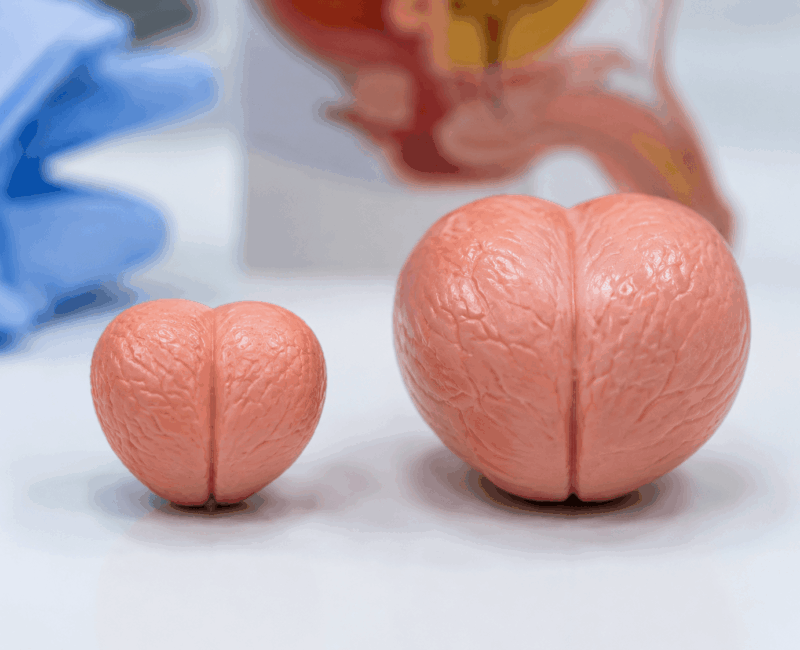
Benign Prostatic Hyperplasia (BPH) is the non-cancerous enlargement of the prostate gland — a walnut-sized organ located directly below the bladder that surrounds the urethra. As the prostate grows, it compresses the urethral channel, creating resistance to urine flow and forcing the bladder to work progressively harder. Over time, the bladder muscle itself changes — thickening, becoming overactive, and eventually losing its ability to empty efficiently.
BPH is not prostate cancer and does not increase the risk of developing cancer. However, it is a progressive condition that worsens without appropriate management. As a leading BPH specialist in Ahmedabad, Dr. Prarthan Joshi provides accurate diagnosis of BPH — differentiating it from prostate cancer and other urological conditions — and offers the most appropriate and effective BPH Treatment in Ahmedabad for each individual patient stage and symptom severity.
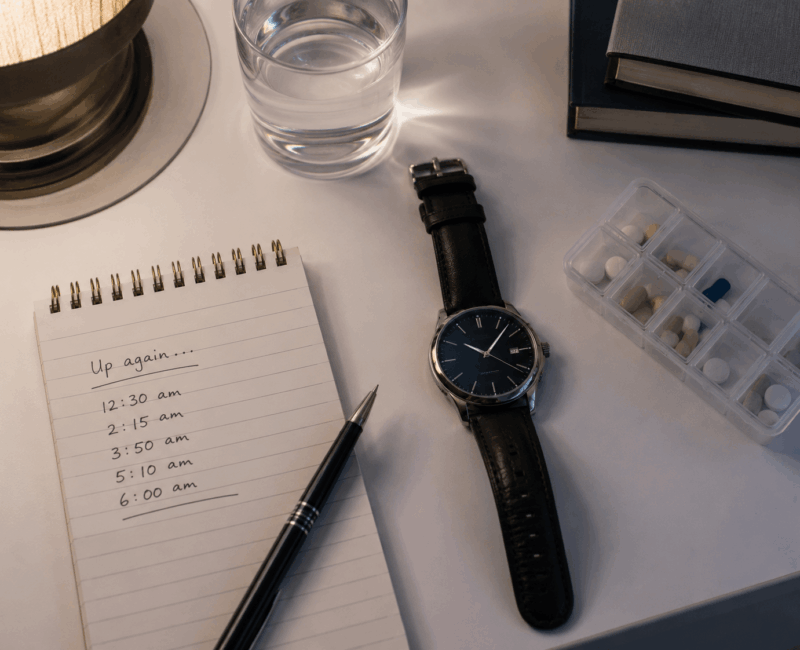
These symptoms — individually or in combination — signal that the prostate is significantly affecting bladder function and that expert BPH Treatment in Ahmedabad is needed. A thorough evaluation by Dr. Prarthan Joshi precisely quantifies symptom severity using the International Prostate Symptom Score (IPSS) and guides the most appropriate treatment pathway.
BPH affects 50% of men in their 50s, 70% in their 60s, and over 90% by age 80. Age is the single most significant risk factor.
The balance between testosterone and oestrogen shifts with age — driving continued prostate cell growth through dihydrotestosterone (DHT) accumulation.
Men with a father or brother who had BPH are more likely to develop the condition — suggesting a genetic component to prostate growth patterns.
Excess body weight, physical inactivity, and high-fat diets are associated with increased BPH risk and more severe urinary symptoms.
Metabolic syndrome, type 2 diabetes, and cardiovascular disease are all associated with a higher likelihood and severity of BPH in affected men.
If you are experiencing urinary symptoms affecting your sleep, confidence, or daily activities — Dr. Prarthan Joshi BPH Treatment in Ahmedabad at Zydus Hospitals offers the expert evaluation and effective care you need.
BPH progresses through recognisable stages — each requiring a different level of clinical intervention. Understanding the stage helps determine the most appropriate BPH Treatment in Ahmedabad for each patient:
This comprehensive diagnostic evaluation ensures every patient receives the most accurately targeted and clinically appropriate BPH Treatment in Ahmedabad at Zydus Hospitals, Ahmedabad.
Each treatment plan for BPH in Ahmedabad is fully personalised — no one-size-fits-all approach is applied.
- For mild BPH with minimal impact — fluid management, caffeine reduction, evening fluid restriction, bladder training, and regular monitoring without medication.
- Gold standard surgical BPH treatment — transurethral resection using advanced bipolar energy technology. No external incisions, minimal blood loss, short hospital stay, and durable 10-15 year results.
- Alpha-blockers relax the prostate smooth muscle — improving flow quickly. 5-alpha reductase inhibitors shrink the prostate over 6-12 months. Often combined for optimal results in moderate BPH.
- Laser surgery preferred for very large prostates or patients on anticoagulants. HoLEP enucleates the entire obstructing adenoma with virtually zero blood loss and the lowest retreatment rates of any BPH procedure.
- A minimally invasive implant that mechanically holds the enlarged prostate lobes apart without cutting or removing tissue — preserving ejaculatory function. Suitable for selected patients with smaller to moderate prostates who prioritise this outcome.

BPH (Benign Prostatic Hyperplasia) is the non-cancerous enlargement of the prostate gland. It is not prostate cancer and does not increase your risk of developing prostate cancer. However, some BPH symptoms overlap with prostate cancer symptoms — which is why a proper evaluation by Dr. Prarthan Joshi is essential to confirm the diagnosis and rule out cancer before beginning BPH treatment in Ahmedabad.
Surgery for BPH is recommended when medications no longer provide adequate symptom relief, when complications such as urinary retention, bladder stones, or recurrent UTIs develop, when post-void residual urine is significantly elevated, or when bladder or kidney function is being affected. Dr. Prarthan Joshi provides transparent guidance on the right timing for surgical BPH treatment in Ahmedabad for each individual patient.
Retrograde ejaculation — where semen travels into the bladder during orgasm rather than exiting externally — is a common side effect of TURP, occurring in 65-75% of men. This does not affect sexual pleasure or erectile function but does affect fertility. Men planning to father children should discuss this with Dr. Joshi before proceeding. Erectile dysfunction following modern Bipolar TURP is uncommon.
Bipolar TURP delivers significant, durable symptom improvement for 10-15 years in the majority of patients. HoLEP has even lower retreatment rates — often described as a single lifetime procedure for BPH. A small proportion of men may require repeat treatment as the remaining prostate continues to grow over time. Annual follow-up reviews with Dr. Prarthan Joshi ensure sustained results are maintained.