



Waking up once or twice — or more — every night to use the bathroom is one of those symptoms that most people dismiss as simply getting older. But nocturia — the medical term for waking from sleep specifically to urinate — is not a normal consequence of aging. It is a recognised urological and medical symptom with identifiable causes and effective treatments. And it matters far more than most people realise: disrupted sleep from nocturia causes fatigue, reduced concentration, impaired mood, cardiovascular stress, and significantly reduced overall quality of life.
At Zydus Hospitals, Ahmedabad, Dr. Prarthan Joshi — a distinguished Urologist and Genitourinary Surgeon — offers comprehensive, cause-specific Nocturia Treatment in Ahmedabad — accurately identifying the underlying cause and providing an individualised treatment plan that restores uninterrupted, restorative sleep and improves overall health and well-being. Whether nocturia is caused by overactive bladder, enlarged prostate, excessive nocturnal urine production, heart conditions, diabetes, or sleep disorders — targeted expert care is available.
Nocturia is defined as waking one or more times per night specifically to urinate. While a single episode of nocturia per night is common and broadly accepted as within normal range in older adults, waking two or more times consistently is clinically significant and warrants evaluation. Nocturia is one of the most bothersome urological symptoms in terms of its impact on quality of life — yet it is also one of the most undertreated, with most patients never seeking help until the sleep disruption has persisted for years.
Nocturia is importantly different from simply waking up for other reasons and then deciding to urinate — true nocturia involves waking from sleep because of an urge to void. As a leading nocturia specialist in Ahmedabad, Dr. Prarthan Joshi takes a systematic, evidence-based approach to evaluating and treating nocturia — carefully assessing bladder function, fluid balance, nocturnal urine production, and sleep patterns to identify the precise mechanism before planning Nocturia Treatment in Ahmedabad.
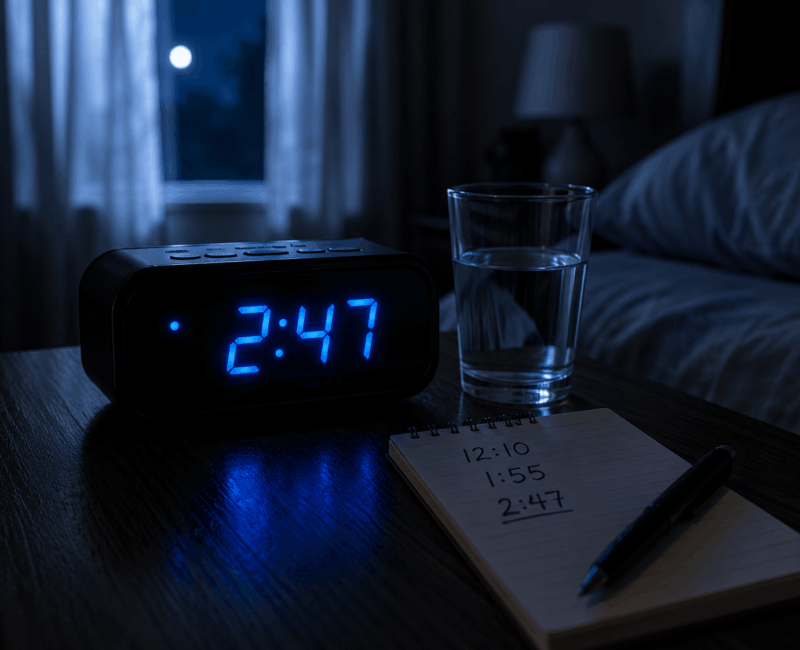
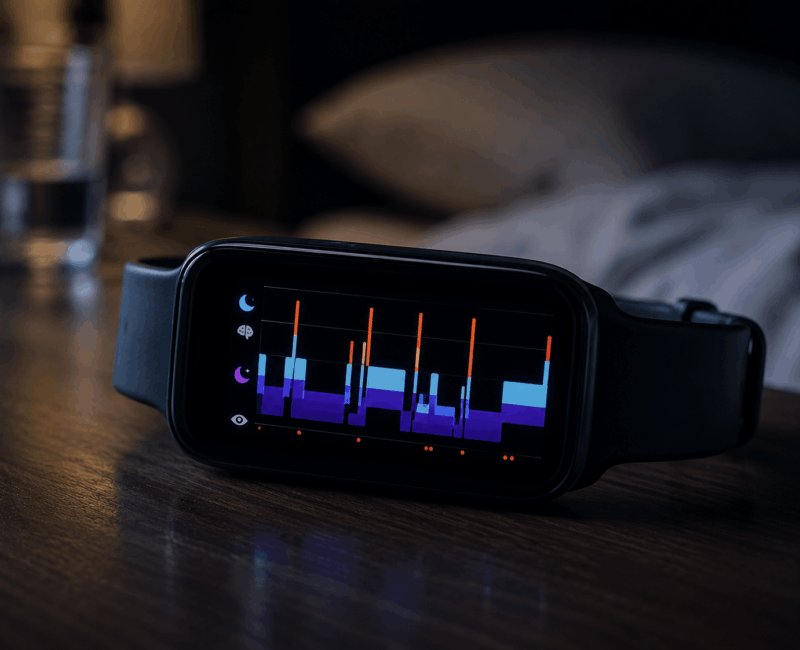
These consequences make effective Nocturia Treatment in Ahmedabad a health priority — not just a quality of life preference. Treating nocturia successfully protects sleep, energy, mood, cognitive function, and even cardiovascular health over the long term.
The most common cause — the kidneys produce a disproportionately large volume of urine at night, often due to heart conditions, venous insufficiency, or disrupted ADH secretion patterns.
Involuntary bladder contractions that occur during sleep wake the patient with urgent need to void — even when the bladder contains only small amounts of urine.
In men, BPH causes incomplete bladder emptying and secondary bladder overactivity — both contributing to frequent night-time voiding as a hallmark symptom.
Elevated blood sugar increases urine production. Sleep apnoea disrupts normal antidiuretic hormone (ADH) release — both causing increased nocturnal urine volumes and nocturia.
Diuretics taken in the evening, excess evening fluid intake (particularly caffeine and alcohol), and certain cardiac medications can significantly worsen nocturia through increased overnight urine production.
Do not accept broken nights as inevitable. Expert Nocturia Treatment in Ahmedabad by Dr. Prarthan Joshi at Zydus Hospitals identifies the exact cause and restores the uninterrupted sleep you deserve.
Nocturia Treatment in Ahmedabad is targeted to the underlying cause identified through comprehensive evaluation. Dr. Prarthan Joshi offers a full range of treatment approaches at Zydus Hospitals, Ahmedabad — from simple lifestyle adjustments to advanced medical and surgical options:
Every treatment plan is fully personalised to the mechanism driving nocturia in each individual patient.
- Evening fluid restriction, caffeine and alcohol avoidance after 6pm, morning repositioning of diuretics, and leg elevation in the afternoon — first-line measures that significantly reduce nocturnal urine production in many patients.
- Bipolar TURP or HoLEP laser surgery corrects the prostate obstruction driving secondary bladder overactivity — significantly reducing or eliminating night-time voiding in men with BPH-related nocturia.
- Desmopressin for nocturnal polyuria. Anticholinergics or beta-3 agonists for OAB-related nocturia. Alpha-blockers for BPH-related night-time voiding. Each selected precisely to the identified cause.
- Optimising heart failure, diabetes, and sleep apnoea management in collaboration with relevant specialists — often the single most impactful intervention when systemic conditions drive nocturnal polyuria.
- For OAB-related nocturia not responding to oral medications — Botulinum toxin injected into the bladder wall reduces involuntary night-time contractions for 6-12 months per session as a day-case procedure.

Waking once per night to urinate is broadly accepted as within normal range, particularly in older adults. Waking two or more times per night consistently is clinically significant nocturia warranting evaluation. Even a single episode of nocturia is worth discussing if it consistently disrupts sleep quality or causes daytime fatigue. Consult Dr. Prarthan Joshi for expert Nocturia Treatment in Ahmedabad if your night-time voiding is affecting your sleep or quality of life.
No — nocturia can be caused by OAB but is not synonymous with it. OAB is one of several causes of nocturia. Others include nocturnal polyuria (excessive overnight urine production from heart conditions, diabetes, or sleep apnoea), reduced bladder capacity, BPH in men, and medications. Accurate diagnosis by Dr. Prarthan Joshi determines which mechanism is driving nocturia — ensuring the right Nocturia Treatment in Ahmedabad is prescribed for each patient specific cause.
In some cases — particularly when nocturia is driven primarily by excessive evening fluid intake, caffeine, or alcohol — lifestyle modifications alone can significantly reduce or resolve night-time voiding. However, when nocturia results from OAB, BPH, nocturnal polyuria from systemic conditions, or medications, targeted medical or surgical treatment is required for meaningful improvement. Dr. Prarthan Joshi assesses each patient individually and always begins with the least invasive effective approach.
BPH surgery significantly reduces nocturia in men where prostate obstruction is the primary driver — particularly through correction of secondary bladder overactivity. However, if nocturnal polyuria from cardiac or metabolic causes is also contributing, additional management is needed alongside BPH treatment. Dr. Prarthan Joshi uses the bladder diary and systemic assessment to determine which factors are driving nocturia in each man before recommending the most appropriate Nocturia Treatment in Ahmedabad.